
Crawl space vapor barrier installation in Knoxville prices at the low end of the $4,000–$14,000 encapsulation ladder: reinforced 10–20 mil material, taped seams, sealed pier wraps, full coverage. On water-holding red clay in heavy termite country, the sealed ground barrier is where a dry crawl starts.
What the barrier does, the termite connection, and where it fits the sequence.
The ground is the humidifier
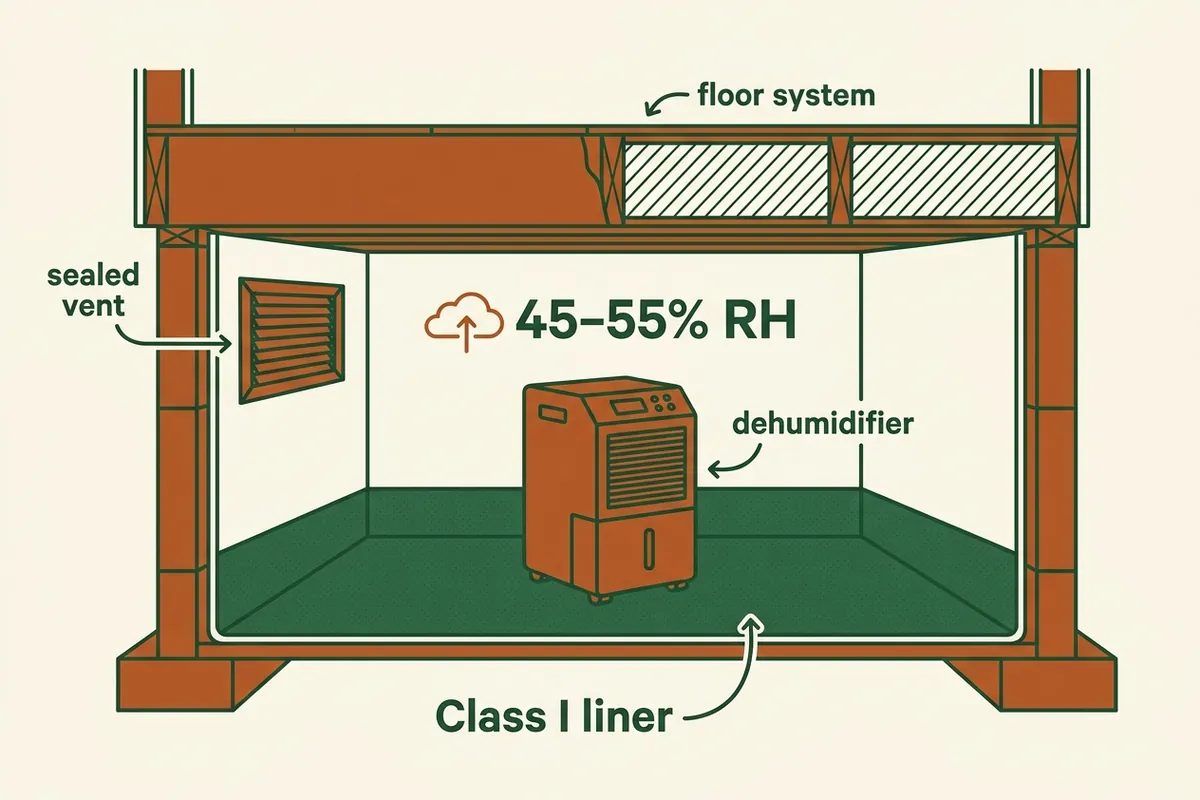
East Tennessee’s red clay does under a house what it does at a footing: absorbs water slowly, holds it, and releases it upward for weeks after every rain. Under a vented Knoxville crawl space that means a continuous vapor feed into the framing — before a single humid July afternoon adds its 70%-plus RH through the vents. The sealed ground barrier is the layer that shuts off the soil’s contribution; drainage handles the liquid water this terrain routes toward foundations, and dehumidification handles the air. Every full encapsulation is built on top of it.
The termite dividend
Knoxville’s crawl spaces carry a second reason to be dry: heavy subterranean termite pressure, region-wide. Termites hunt moisture, and damp framing over open damp ground is precisely the habitat they prefer — which makes a sealed, dry crawl space less attractive territory before any treatment enters the conversation. The barrier is not pest control and never replaces a termite bond; it removes the standing invitation. Dry wood defends itself twice over: rot can’t work it, and it draws less appetite.
Real barrier vs. liner — where the money goes
| The bargain liner | Proper installation | |
|---|---|---|
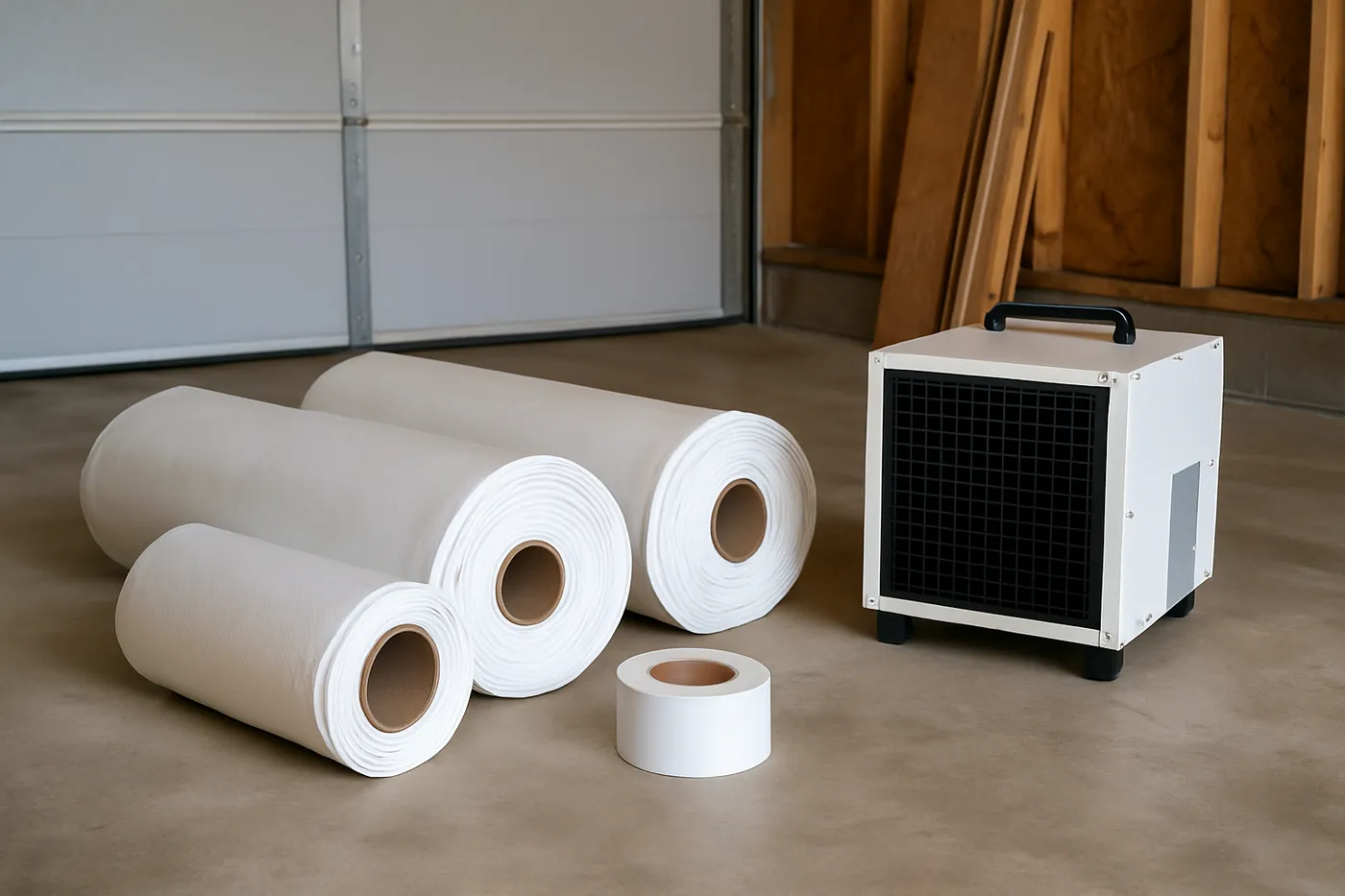
| Material | 6-mil poly, tears on contact | Reinforced 10–20 mil |
| Seams | Loose overlap | Overlapped and taped |
| Piers & walls | Cut around, edges open | Wrapped and sealed |
| Coverage | The easy middle | Everything, corners included |
| Result | Vapor routes around it | Ground supply shut off |
Where the barrier fits the sequence
Order decides outcomes. Liquid water first: ridge-and-valley terrain sends runoff toward foundations, and drainage and grading come before any plastic — a barrier over standing water is a tarp. Ground vapor second: the sealed barrier. Air third: sealed vents and dehumidification against the summer’s 70%-plus RH, the full encapsulation case. Where damp has already fed growth or softened framing, mold treatment and structural repair precede the sealing — wrapping a problem preserves it. The cost guide prices every stage of the ladder.
Keeping the barrier working
A vapor barrier does its job silently for years, which is exactly why it deserves one scheduled look a year. Go under with a light and check the seams and the perimeter: peeled tape at a wall, a pulled seam, or a corner lifted off a pier is a ten-minute fix now and a re-humidified crawl later. The usual culprit is a service call — plumbers, HVAC techs, and inspectors all work on their knees down there — so make re-sealing the liner part of what you ask for before they leave. In Knoxville, add the termite habit: the barrier must never block the inspection strip your annual termite check depends on, because that inspection is worth more than the liner.
Vapor barrier questions, straight answers
What does a vapor barrier actually do?
It shuts off the ground's moisture supply. Bare crawl space dirt releases water vapor continuously into the framing above, and Knoxville's red clay — holding water against footings the way ridge-and-valley ground does — keeps that supply charged year-round. A sealed barrier cuts it at the source; drainage and dehumidification handle the rest of the system.
How does a barrier connect to termite pressure?
Through moisture. East Tennessee carries heavy subterranean termite pressure, and damp wood over damp ground is what draws them — a sealed, dry crawl space is simply less attractive habitat. The barrier isn't termite treatment and doesn't replace a bond, but drying the crawl removes the invitation. Dry framing defends itself twice: against rot and against appetite.
What separates a real barrier from a plastic liner?
Sealing discipline. Real work is reinforced 10-20 mil material with seams overlapped and taped, edges sealed to piers and walls, and full coverage — because vapor finds any gap. The bargain version is loose 6-mil poly that fails at every unsealed edge. The material cost difference is small; the labor of sealing is the actual product.
Can the barrier go down over standing water?
The barrier can't go down over standing water. Water arriving under the house needs drainage first — a barrier's job is ground vapor, not liquid. The honest sequence on this terrain, where ridge-and-valley runoff finds crawl spaces: water out via drainage and grading, ground sealed with the barrier, then air handled with sealed vents and dehumidification where the summer's 70%-plus RH demands it.
What does vapor barrier installation cost in Knoxville?
Barrier-stage work prices inside the encapsulation ladder — full encapsulation runs $4,000-$14,000 depending on size and damage, with the sealed ground barrier as its first layer, and standalone barrier scopes at the ladder's low end. Ask any bidder, including us, how seams, piers, and edges get sealed; that answer is the difference.
Get a free Knoxville crawl space inspection
Tell us what you're noticing — smells, humidity, floor bounce, a wet crawl — and we'll schedule an inspection with photos of what we find. We reply the same business day.