Crawl space drainage in Knoxville costs $2,000–$5,000 for interior perimeter systems with a sump. The stage that stops East Tennessee's red-clay seepage before any liner seals the space. Grading and gutter fixes outside run hundreds and get checked first, always.
The valley's water routes, the system stages, and the ridge-lot advantage.
How water reaches an East Tennessee crawl
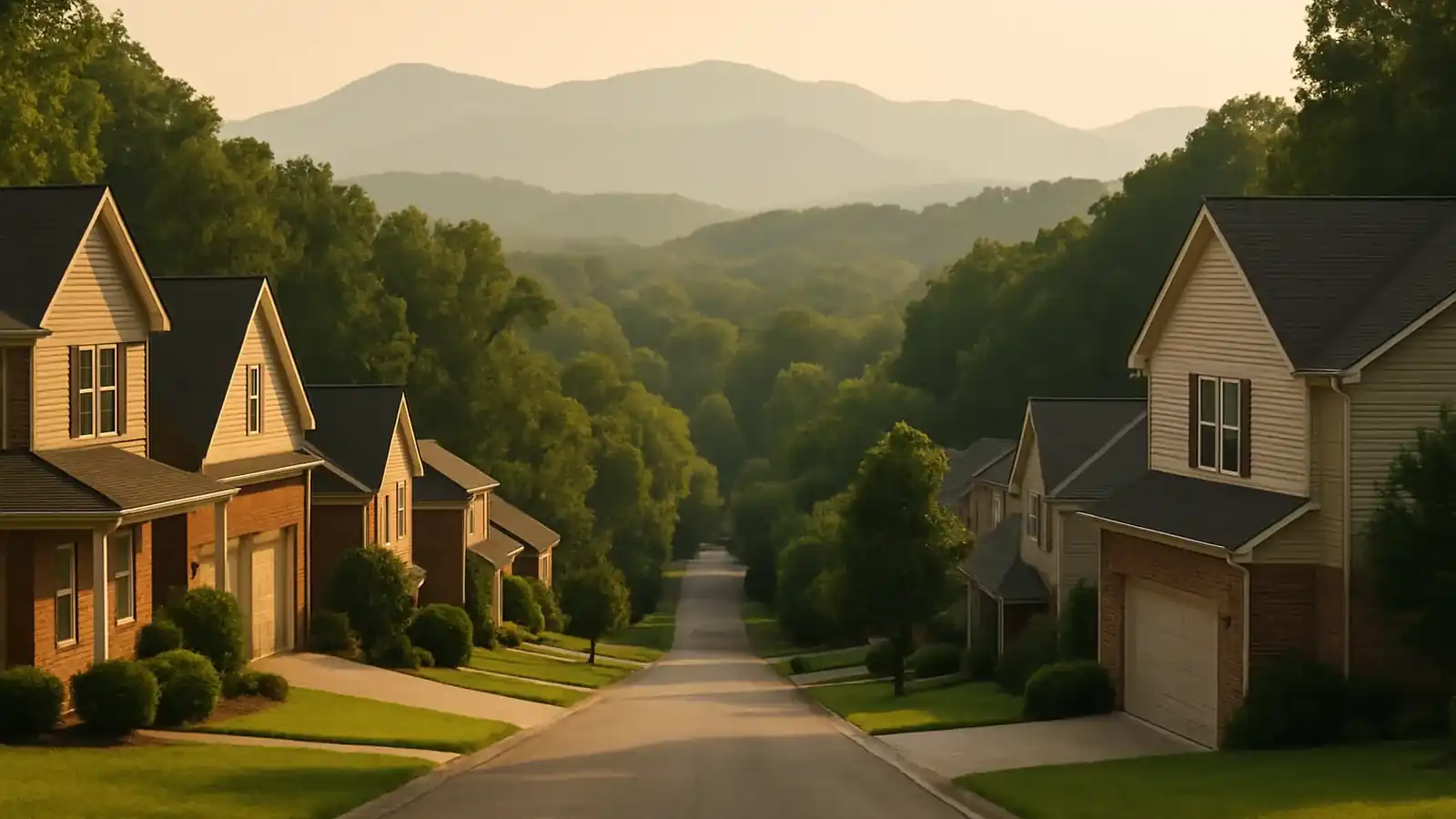
Start with the clay: red, dense, and slow to release, every rain that lands near the foundation stays near the foundation, pressing through block joints and exhaling vapor upward for days. Add the terrain's opinions: ridge lots take slope runoff on their uphill walls; valley-floor lots ride seasonal water tables; and downspouts everywhere dump roof water exactly where the clay will keep it. A crawl doesn't need a flood to stay wet here. It just needs the clay to keep doing what clay does.
The stages, cheapest first
- Exits above ground: downspouts extended well past the clay's reach, grade rebuilt to shed, slope runoff intercepted before the uphill wall. Hundreds of dollars; occasionally the entire cure.
- Interior collection: perimeter drain at the footing catching wall seepage and under-floor water, graded to a sealed sump basin.
- The pump and the route (sized pump, check valve, and discharge run to genuine daylight downhill) this terrain's gift to drainage design.
| Scope | Cost | Answers |
|---|---|---|
| Surface corrections | $300–$1,200 | Roof water, grade, slope interception |
| Interior drain + sump | $2,000–$5,000 | Clay seepage, seasonal standing water |
| Drainage + full seal | See encapsulation | The complete dry crawl |
Water first is the whole doctrine
Everything else under a Knoxville house depends on this stage: liners over standing water become terrariums, repaired framing re-softens above wet ground, and dehumidifiers asked to dry a seeping crawl die young and fail expensive. Manage the water and every other line on this site gets cheaper and permanent. That's why a good inspection walks the lot before it crawls the house. The answer usually starts outside.

Water plans written by the terrain
Knoxville drainage design starts with a contour read, because ridge-and-valley lots move water with intent: slopes concentrate runoff into swales the builder may never have respected, clay refuses infiltration, and a crawl at the wrong point of the flow collects its neighborhood's storm. The ladder still opens cheap: downspout extensions, regrading, surface interception, the sub-$500 lines that solve a surprising share of "wet crawl" calls, but lots that sit in the flow path need the engineered interior: perimeter channel, sealed sump, and discharge routed downslope with gravity doing the pumping's work wherever the terrain allows.
Hillside discharge is the local skill: daylight terminations that don't erode the slope, lines with enough fall to self-clear, and terminations placed where the water rejoins the valley instead of the backfill. Ask the specialist to walk every line to its end before quoting. A drainage stage runs $2,000–$5,000 here, and the difference between designed and guessed shows up the first stacked-storm week.
Drainage questions, straight answers
What does crawl space drainage cost in Knoxville?
Interior systems (perimeter drain, sump basin, pump, and discharge) run $2,000-$5,000 for most East Tennessee crawls. Simple grading and downspout corrections outside run hundreds and occasionally solve the whole case; they are worth checking first.
Where does the water in my crawl come from?
Red clay's memory: rain soaks in around the foundation and the clay holds it there for days, seeping through block and rising as vapor. Ridge lots add slope runoff aimed at uphill walls; valley lots add seasonal water tables. The inspection traces your specific route before proposing anything.
Do I need a sump if the crawl only dampens seasonally?
If water stands even briefly, yes: seasonal is how red-clay crawls describe themselves, and the wet weeks do the year's damage. A drain-to-sump system idles cheaply the rest of the year. Crawls that never pool but stay humid may need only the seal-and-dry.
Where should the discharge go on a ridge-and-valley lot?
Downhill and far. This terrain hands most lots genuine fall, which flatland crawls would envy. Good practice routes to daylight wherever grade allows, well away from the foundation's clay, and never uphill of anything that matters. Ask for the route to be walked at inspection.
Does drainage alone fix the humidity?
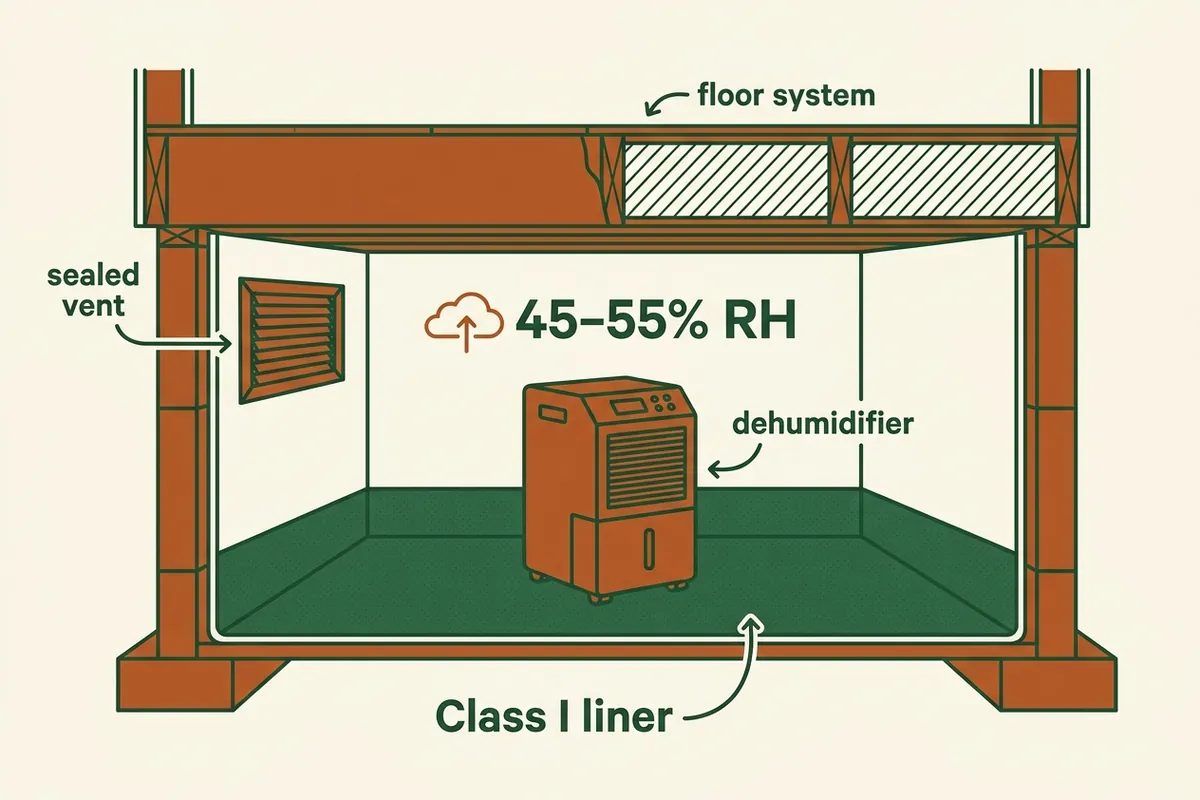
It fixes the liquid; the vapor needs the seal. Drainage stops standing water and its evaporation load, which drops the RH meaningfully, but a vented crawl still imports humid valley air all summer. Full dryness is drainage plus encapsulation; the inspection says whether you need one stage or both.
Get a Knoxville crawl space inspection
Tell us what you're noticing (smells, humidity, floor bounce, a wet crawl) and we'll pass your request along for an inspection. A local specialist who works in Knoxville will call you back.