Full crawl space encapsulation in Knoxville costs $4,000–$14,000: water management where the clay demands it, a Class I vapor barrier sealed across ground and walls, vents closed, and a sized dehumidifier holding the space at 45–55% RH, below the 70% line where East Tennessee's rot and termite trouble lives.
The sequence that makes systems last, tier pricing, and the commissioning numbers to ask for at handover.
Sequence is the craft
Encapsulations fail when they're installed as products instead of systems. A liner stapled over standing water is a terrarium. The East Tennessee order is fixed: water first (trace the red-clay seepage, drain it, route it out), wood second (repair what the humid years softened, treat what they grew), seal third (Class I liner, wrapped piers, closed vents), dry always (a dehumidifier sized to the space, drained, and monitored). Skip a step and the crawl finds it; do them in order and the number stays down for decades.
Tiers, priced honestly
| Tier | Right when | Range |
|---|---|---|
| Vapor barrier | Dry crawl, ground vapor the only enemy | $1,500–$4,000 |
| Barrier + drainage | Clay seepage or seasonal water present | $3,500–$8,000 |
| Full encapsulation | The complete seal-and-dry with dehumidification | $4,000–$14,000 |
| + Structural repair | Softened joists, sagging spans found at inspection | Per written scope |
Whatever the tier, ask for photographs and humidity readings. A good inspection documents the before, and commissioning documents the after.
What the 70% line means for value
Encapsulation reads expensive until it's priced against what the line costs: framing repair when rot finishes softening a span, remediation when growth colonizes the joists, termite damage when the buffet gets found, and every summer's AC bill fighting crawl humidity upstairs. A sealed system retires all four accounts at once, which is why it's the valley's rare home upgrade that defends itself on arithmetic.
Sealing in ridge-and-valley country
East Tennessee's geography does two things to a Knoxville encapsulation. First, the red clay of the ridge-and-valley system holds water against footings: slopes deliver runoff, clay keeps it, and vented crawls above that ground run past 70% relative humidity every summer (45–55% is the healthy band). Second, the terrain writes per-lot water plans: a crawl on a ridge shoulder sheds; one at a valley toe collects. So sealing here is a sequence with a site-specific first chapter (drainage where the lot's geometry demands it) before the Class I liner crosses the ground and climbs the block, the vents close, and mechanical drying takes the number the rest of the way. Full encapsulations run $4,000–$14,000, position set by size, water stage, and framing findings.
The regional bonus nobody advertises enough: sealed-dry crawls are dramatically less attractive to subterranean termites, and this is heavy termite country. The same work that fixes your humidity removes the moisture conditions their scouts hunt for.
Encapsulation questions, straight answers
What exactly does full encapsulation include?
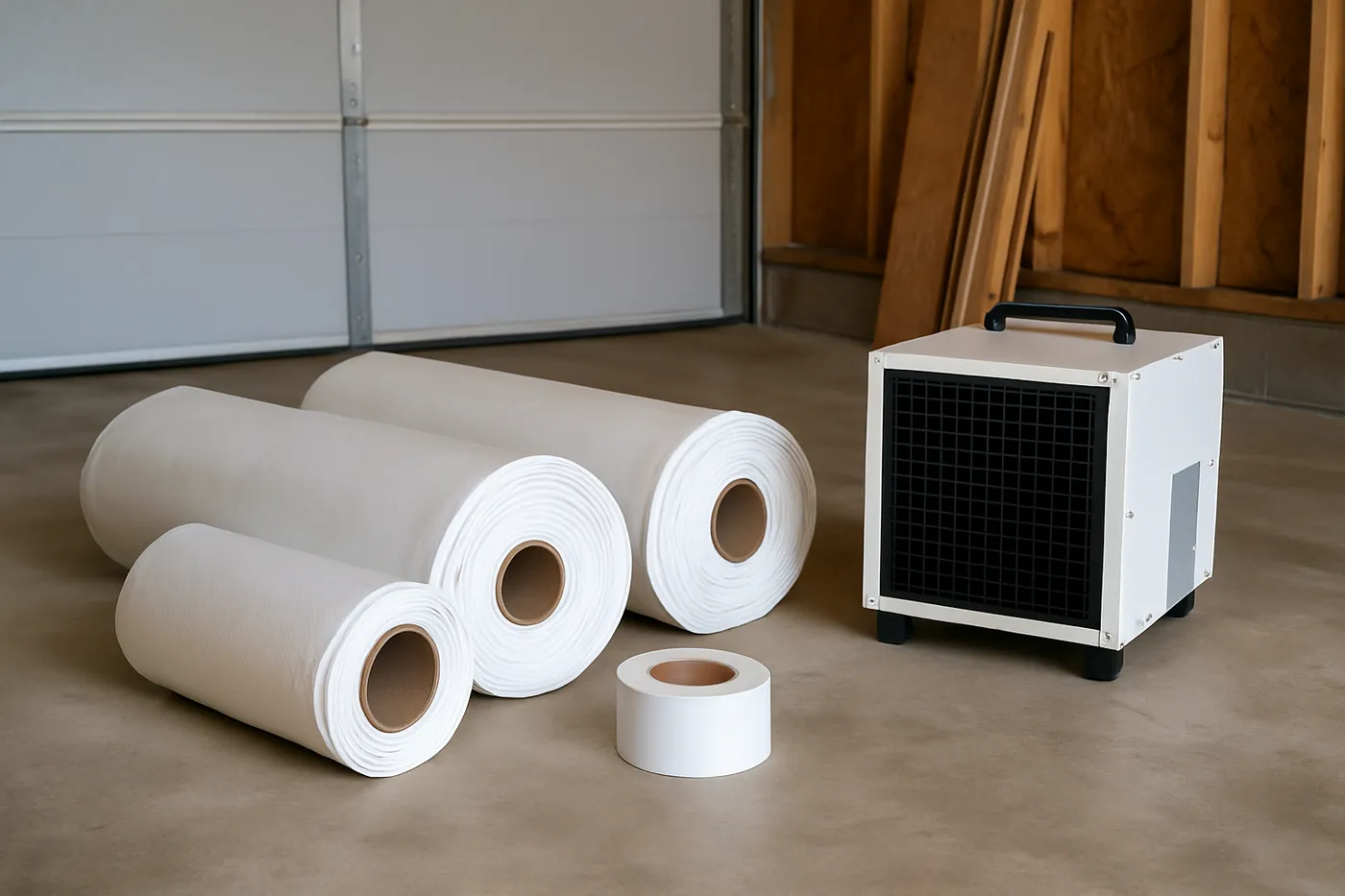
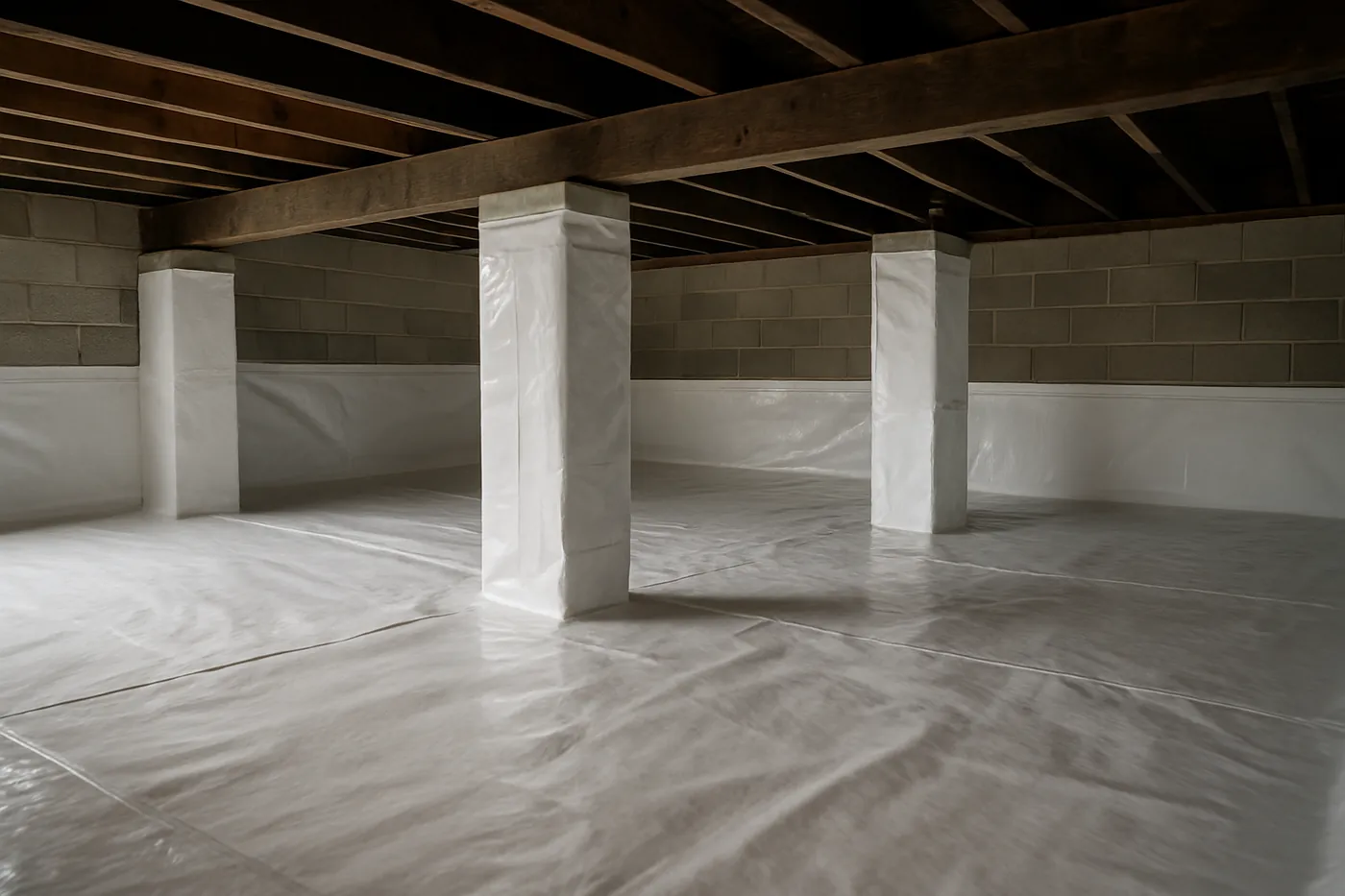
Water management first where the crawl needs it, then the seal: Class I vapor barrier across ground and up walls, piers wrapped, seams taped, vents closed and sealed, and a properly sized dehumidifier with a condensate drain. Commissioning readings prove the number dropped. That's the complete system: anything less is a partial.
Where does my house land in the $4,000-$14,000 range?
Square footage sets the base; water sets the middle: crawls taking red-clay seepage carry a drainage stage worth $2,000-$5,000; softened framing adds repair lines. Dry, sound crawls price at the bottom. The inspection places yours with evidence, not estimates.
Do the vents really have to close?
That's the design: Tennessee's adoption of IRC R408.3 explicitly permits unvented crawls with a Class I barrier and mechanical drying. Vents are how the valley's humid air got under your house; a sealed system replaces outdoor air with dried air. Leaving them open is buying a dehumidifier a second job.
Will encapsulation help with termites?
It removes what they hunt: moisture meeting wood. Sealed-dry crawls hold framing below the moisture levels subterranean termites need, and the liner denies them concealed soil contact. It's prevention, not treatment: active colonies get licensed pest control first, then the repair and seal.
How do I know the system is working afterward?
By the number: commissioning readings document the drop below 55% RH, the dehumidifier's humidistat holds it there, and an inexpensive remote sensor lets you watch from your phone. A good job hands over a crawl you can audit. That's the point of doing it with instruments.
Get a Knoxville crawl space inspection
Tell us what you're noticing (smells, humidity, floor bounce, a wet crawl) and we'll pass your request along for an inspection. A local specialist who works in Knoxville will call you back.