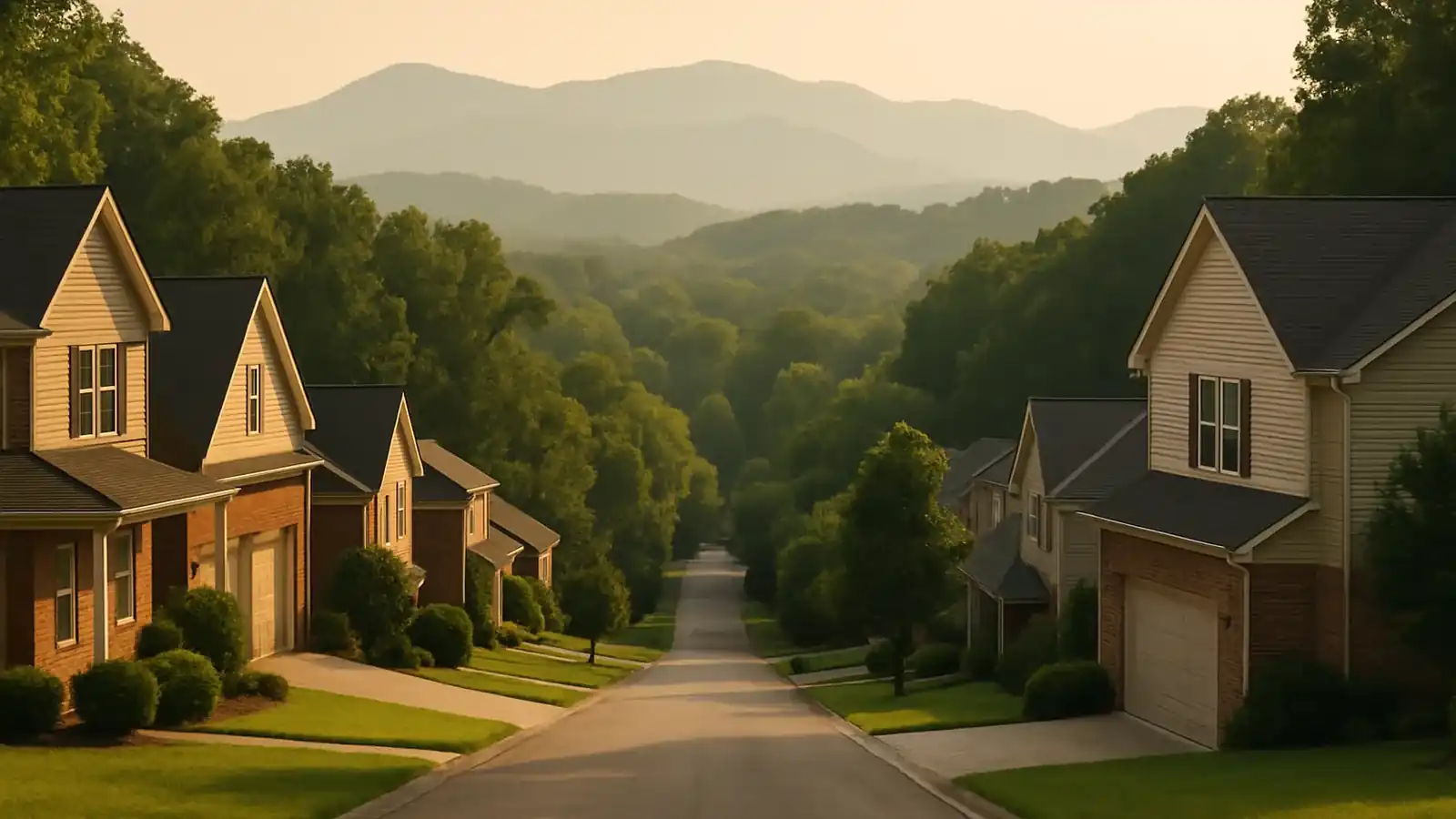
Crawl space encapsulation in Karns runs $4,000–$14,000 for the complete sealed system, with vapor barriers and drainage stages priced below that. A local specialist inspects Karns crawls and a good inspection includes humidity readings before any number is quoted.
Creek-valley clay
Karns spreads along Beaver Creek's valley, and that geography writes its crawl spaces: valley-floor lots keep wetter clay year-round, storm water moves toward the creek through everyone's yards on the way, and the mix of 1970s ranches and 2000s subdivisions means vented crawls at every age of decline. The local signature is ground moisture: vapor loads and seasonal dampness even in crawls that never see standing water.
Vapor country playbook
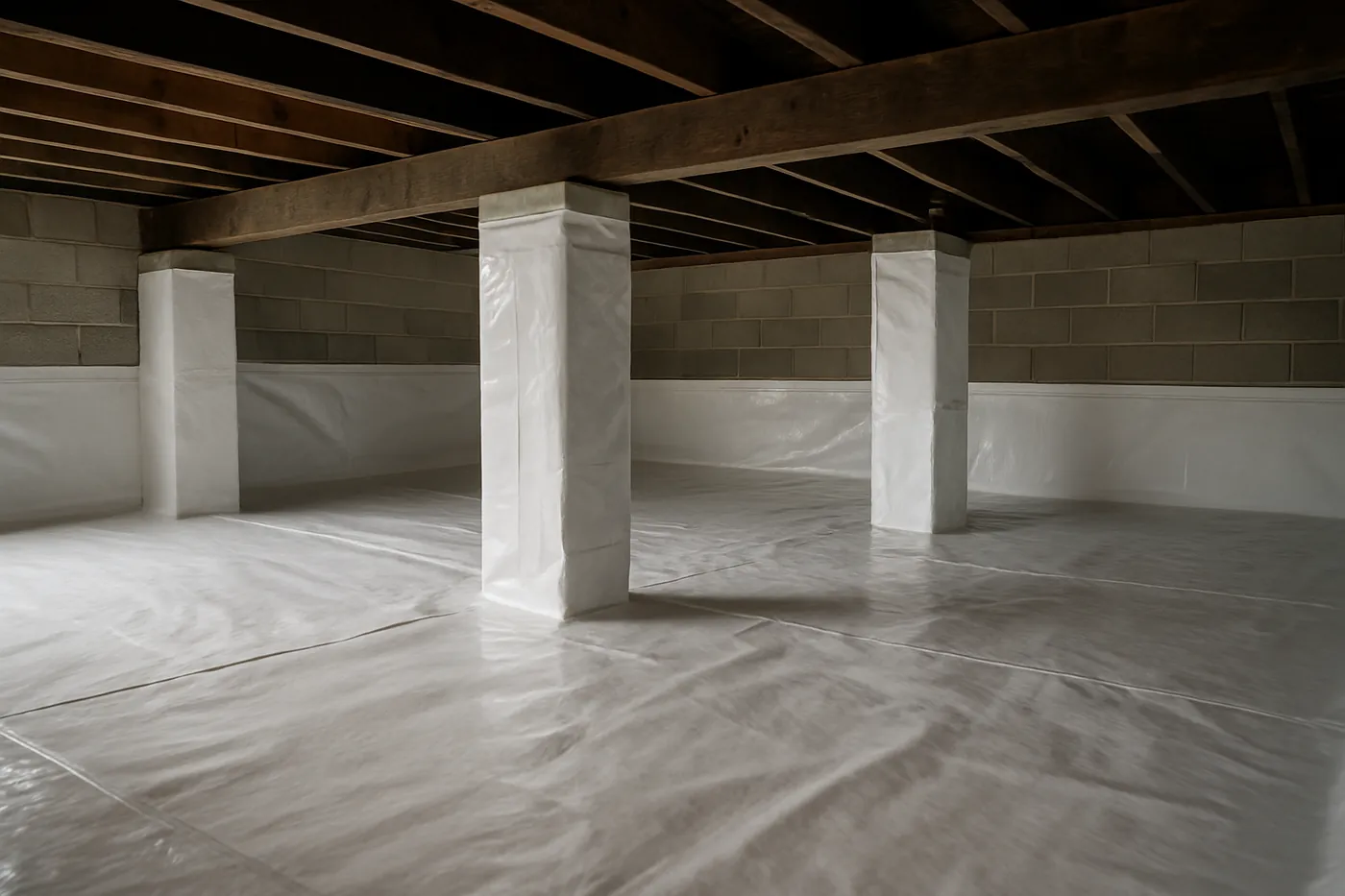
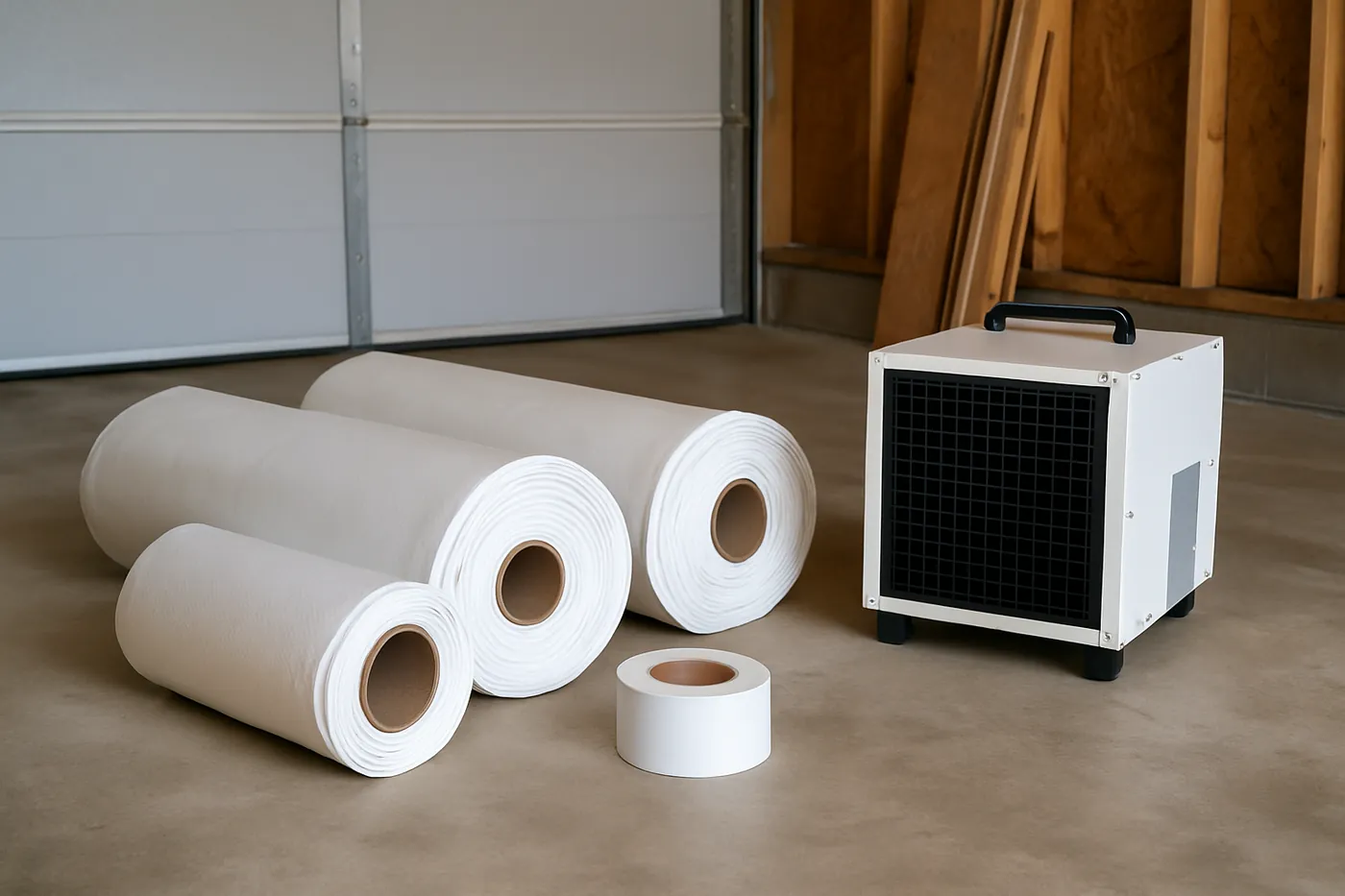
Karns work leans on ground-sealing: heavy Class I liners with tight seams and wrapped piers do outsized duty where vapor is the main import, and right-sized drying holds the number once the ground is closed. Wet-season lots add drainage stages; softened spans get repair before sealing. An inspection reads which combination your stretch of the valley requires.
Asked in Karns
My crawl never floods but always feels damp. What's the fix?
That's vapor: the clay exhaling moisture upward continuously. No standing water means the drainage stage may be skippable; the fix is the ground seal plus mechanical drying. It's the most common Karns scope and among the cleanest installs in the valley.
Are newer Karns subdivisions safe from all this?
Newer means less accumulated damage, not different physics: a 2015 vented crawl imports the same summer air over the same creek-valley clay. Sealing early is genuinely cheaper: no repair lines, no remediation, just the system installed before the line does its work.
Is Karns' mix of old farmhouse and new subdivision crawls really one market?
One climate, two patients. Farmhouse crawls carry decades of ledger and often piered construction: preservation-grade work. Subdivision crawls are young and efficient to seal: prevention-grade. Same doctrine, opposite price logic: the farmhouse spends on repair, the subdivision spends on never needing it. Both should be readings-driven and photographed.
Do buried creeks or springs affect Karns lots?
The valley hides water: old spring lines and seasonal seeps that predate the subdivisions over them. A crawl that's damp in defiance of good gutters and grading sometimes sits on one; the tell is moisture that tracks the water table's season rather than the storm calendar. Drainage design for spring-fed lots routes what can't be stopped: engineering, not wishing.
The corridor, and home base
Every community is on the service areas page; the valley's whole story lives on the Knoxville crawl space overview. Many local specialists don't charge for the inspection; ask when they call, and ask for the photos and readings either way.
Get a Knoxville crawl space inspection
Tell us what you're noticing (smells, humidity, floor bounce, a wet crawl) and we'll pass your request along for an inspection. A local specialist who works in Knoxville will call you back.