Sealing and drying a Halls crawl costs $4,000–$14,000 for the full system: less for barrier or drainage stages alone. Many local specialists don't charge for the inspection; ask when they call, and ask for photos, humidity numbers, and a written, itemized price.
Ridge water meets valley air
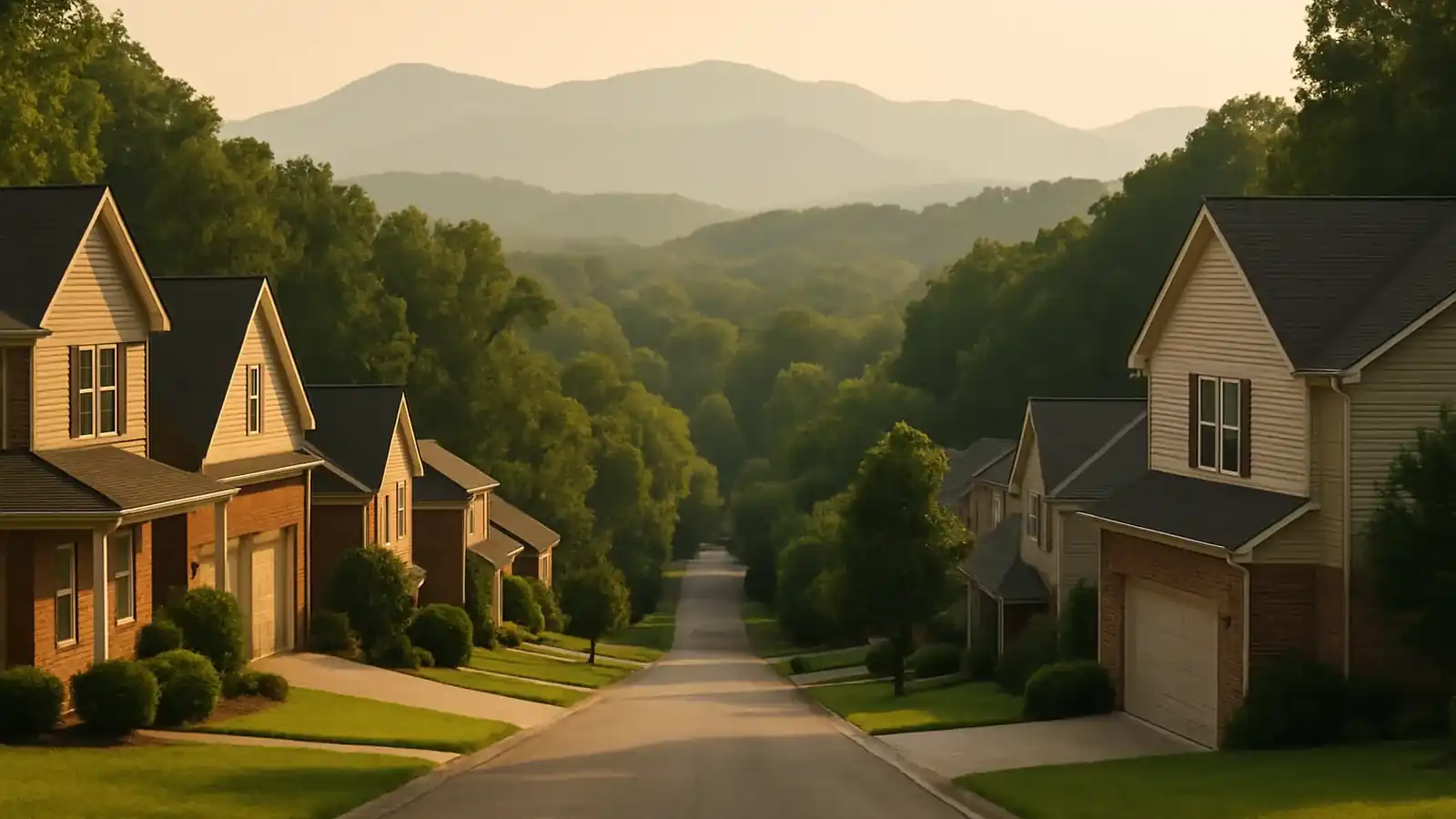
Halls sits among genuine ridges, and its 1970s-2000s neighborhoods inherit both halves of the East Tennessee problem: slope runoff aiming at uphill crawl walls every storm, and valley humidity filling the vents every summer. Crawls here are wetter than flat-lot physics would predict. The clay stays charged from above while the air stays loaded from around.
Both halves, in order
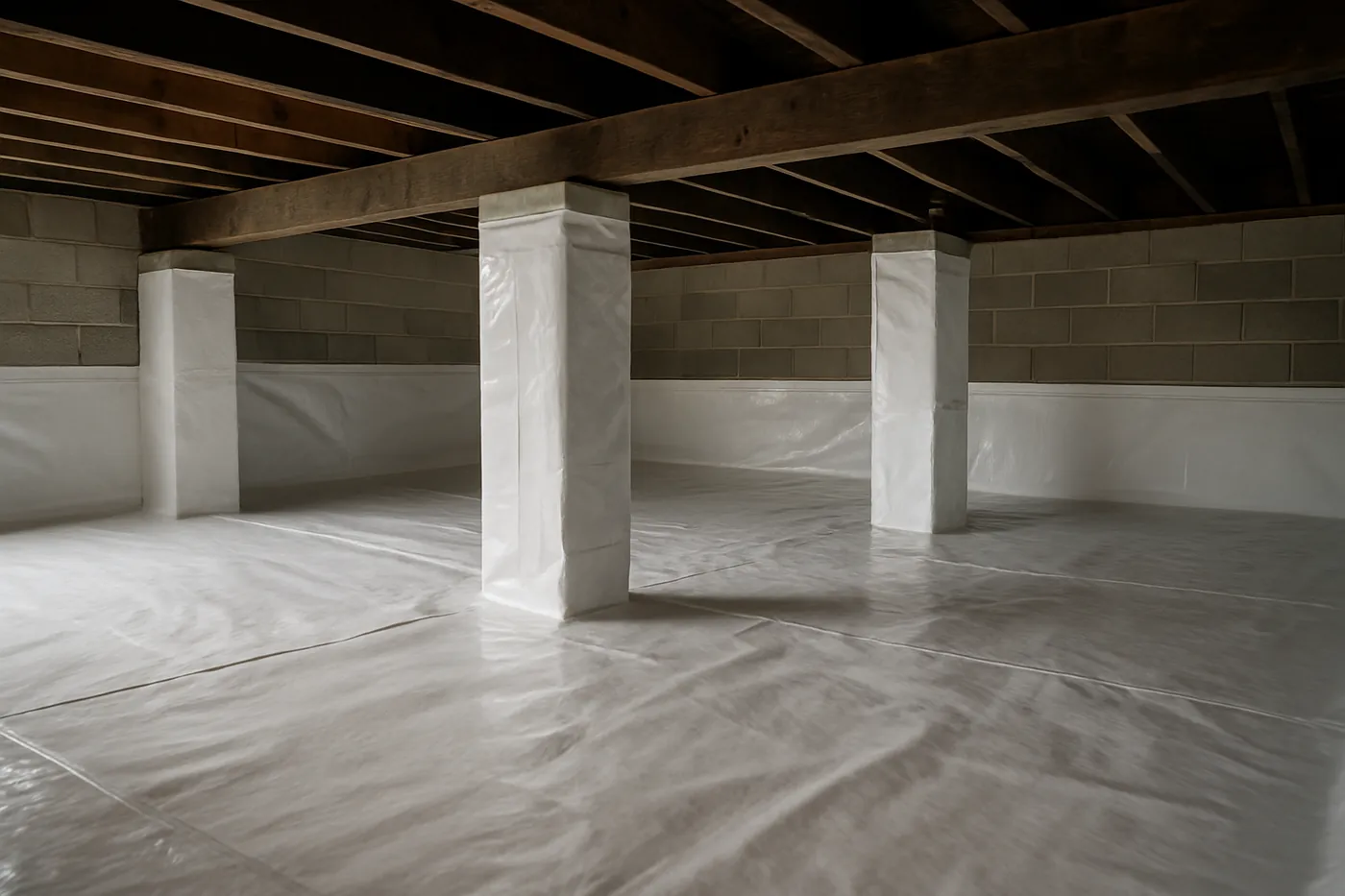
Halls scopes lead with interception (surface routing and interior drainage for the ridge-fed water) because sealing a crawl that's still receiving slope runoff is bottling the problem. Then the seal-and-dry closes the air half. Two-stage jobs are normal here and priced as one campaign; a good inspection maps your lot's specific water before anything is quoted.
Asked in Halls
My uphill crawl wall seeps every storm. Is that fixable without excavation?
Usually. Interior perimeter drainage catches wall seepage at the footing and routes it to a sump, no excavation required, and surface interception uphill lightens the load. Exterior digging earns its cost only in chronic wall-face cases, so ask the specialist plainly whether yours is one.
Does ridge terrain help with anything?
Discharge: gravity is on your side. Sump and drainage lines here run to genuine daylight downhill, no pump-dependence, no recycling. Flat-country crawls would trade for that in a heartbeat.
How does ridge runoff actually reach my Halls crawl?
Gravity plus clay: storm water follows the slope until something interrupts it, and an uphill-side foundation wall is a very effective interruption. The clay refuses infiltration, so the water runs the wall line looking for entries: vents, penetrations, the footing seam. Interception uphill (swale or drain line) breaks the route; that's why Halls scopes so often lead with exterior routing.
What's a realistic timeline for a full Halls encapsulation?
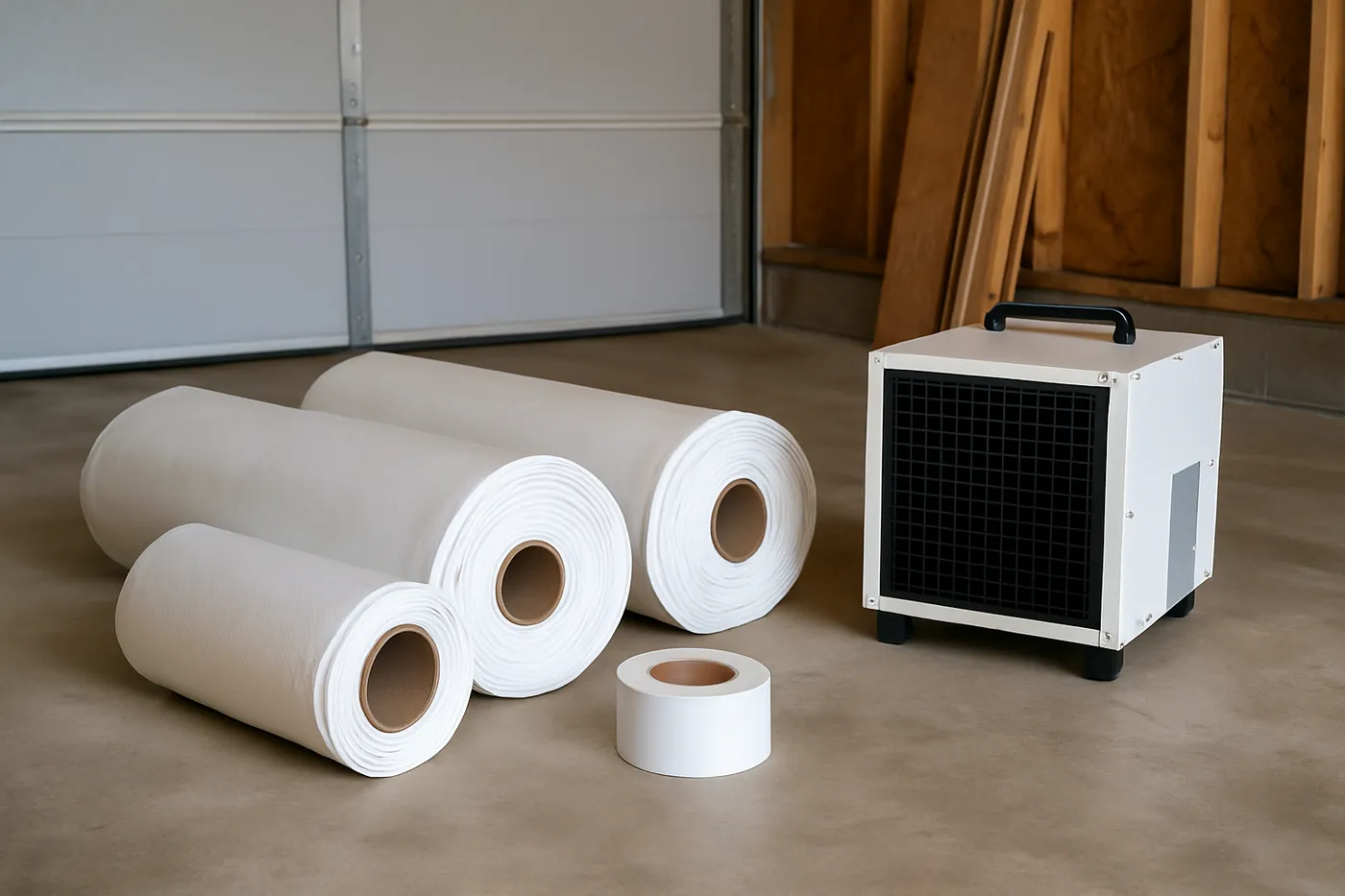
A typical sequence: inspection first; a drainage stage (if readings ordered it) often takes one to two days; sealing and liner one to two days; then the drying equipment is set up and commissioned. Hillside drainage with long discharge runs is the variable, so ask the specialist to put your timeline in writing before work starts.
Next step for a Halls crawl
Note when the musty season peaks, then get the baseline: the inspection usually takes under an hour, and a good one ends with photos and humidity numbers you can keep whether or not work follows. The cost guide explains every price in advance.
Get a Knoxville crawl space inspection
Tell us what you're noticing (smells, humidity, floor bounce, a wet crawl) and we'll pass your request along for an inspection. A local specialist who works in Knoxville will call you back.